I have spent years writing about taxis, mostly from the passenger seat, sometimes from the rank, and often from the kerb in the rain. Tech trends come and go, but one topic now lands in my inbox every week – robotaxis. People ask if driverless taxis are coming to the UK, what they will look like, and whether they will change the way we get around places like Doncaster. I have a clear view, shaped by real journeys with real drivers on real roads. In Doncaster, the firm I keep coming back to sets a high standard for what “reliable” looks like. If you want a quick feel for the local operator I recommend, start here and see how they present their service in plain English: Doncaster Taxi.
This post is not hype. It is a practical guide to what robotaxi trials really mean for everyday riders, why it matters, and why local taxi services still set the pace for what passengers value most.
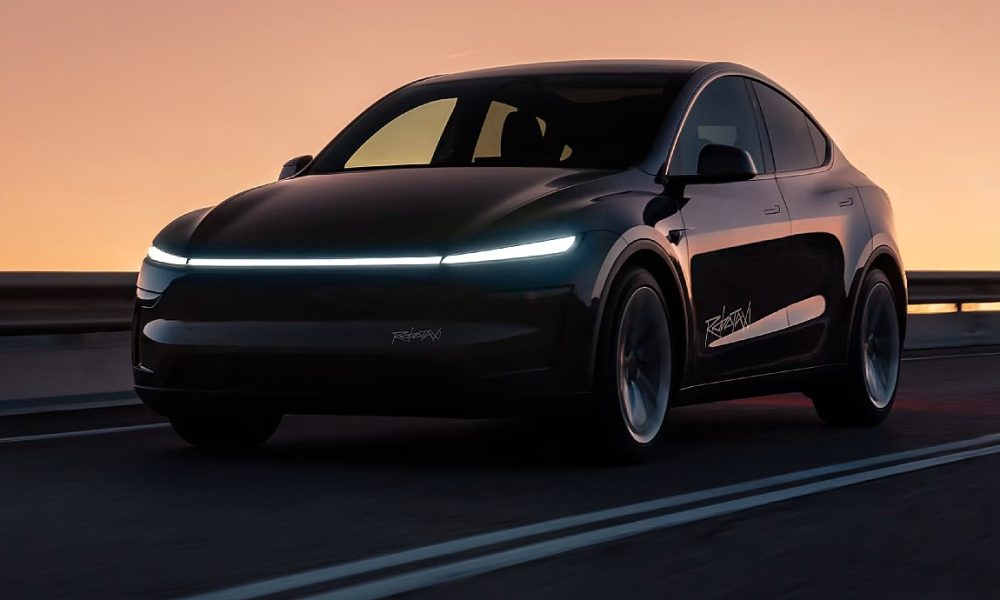
What is a robotaxi in plain English
A robotaxi is a taxi that can drive itself in certain conditions. Some people imagine a fully driverless car that turns up, unlocks, and takes you anywhere, any time. That is the headline version. The real world is slower and more controlled.
Most early robotaxi activity is a mix of:
- Cars that drive themselves only in mapped zones
- Cars that handle most driving but still have a trained safety operator
- Cars that can do basic road tasks but still need help with edge cases
The main point is simple. Robotaxis are starting as trials. Trials happen in limited areas, under strict rules, and with careful oversight. That means even if the tech grows quickly, it will not replace normal taxi work overnight, especially in towns where roads, weather, and traffic patterns change day to day.
Why the UK is interested in robotaxi trials
There are three big reasons.
First, safety is the goal on paper. A system that does not get tired and does not take risks sounds good. Second, cost is the hope. People assume removing a driver will cut fares. Third, coverage is the promise. In theory, robotaxis could support late night travel, remote areas, and repeat shuttle routes.
Those are real aims. Yet they meet real challenges when the rubber hits the road, especially in busy town centres, at event exits, and around hospitals and schools.
The part nobody says out loud – taxis are not only driving
When people talk about robotaxis, they talk about steering and braking. That is only part of a taxi journey.
A proper taxi service also includes:
- Knowing where it is legal and safe to stop
- Choosing drop off points that match your entrance, not just your postcode
- Helping with bags, prams, and mobility aids when needed
- Adjusting a plan when a road closes or a venue changes the pickup flow
- Giving you a human point of contact when things shift
These are the parts passengers remember. They are also the parts that software finds hardest because they depend on judgement, context, and local knowledge. This is where a good Taxi Doncaster service already shines.
A quick story from Doncaster that explains the gap
On one of my last visits to Doncaster, I had an afternoon that looked simple. Station pickup, quick drop at a meeting, then on to a second site, then back into town for food. Between the first and second stop, a short section of roadworks forced traffic into a slow funnel. At the same time, a delivery van blocked the obvious kerb outside the second site.
A good Doncaster Taxi driver did not panic and did not “follow the sat nav”. He did three small things that made the trip work.
He changed the approach road to keep the car moving. He chose a safer drop point with level ground and a clear path to the door. He called out the change early so I was ready to step out without fuss.
That is not a special story. It is normal taxi craft. It is also a good example of what robotaxis will need to learn before they feel truly useful outside controlled trial zones.
What robotaxi trials might look like for passengers first
If you are a rider in Doncaster reading about robotaxi trials, here is what you are most likely to see first, if it becomes available in the region.
Limited areas, not full coverage
Robotaxi trials usually start in areas that are easier to map and control. That often means modern roads, clear lane markings, and predictable speed limits. It does not mean every back street, every estate cut through, or every tight pickup point near older buildings.
Clear operating hours
You may see daytime trials before late night trials. Darkness, wet roads, and event crowds add complexity. That complexity is common in real taxi work, which is why human drivers remain vital.
More rules at pickup and drop off
Early robotaxis may ask riders to meet at fixed pickup points rather than “outside the door”. That can be fine on a calm day. It becomes harder with kids, heavy bags, or mobility needs.
Extra support behind the scenes
Even “driverless” services often rely on remote supervisors or support teams. A system may be driverless in the car, but not driverless as a service.
Will robotaxis be safer than human driven taxis
Safety is a fair question. In some controlled conditions, a cautious automated system can reduce certain risks. It can obey speed limits, keep distance, and avoid distraction.
But real safety is not only about obeying rules. It is also about responding to humans.
In a town like Doncaster, you see safety tested in:
- Sudden pedestrian movement near nightlife areas
- School run crossings and parked cars narrowing lanes
- Wet roundabouts and shiny road surfaces
- Roadworks that change lane markings overnight
- Event traffic marshals giving hand signals
A careful, experienced Doncaster Taxis driver handles these situations with judgement and patience. A robotaxi system may handle many of them too, but the edge cases matter because they are where things go wrong.
The safest approach for riders right now is to choose a reputable local service that already operates with strong habits – legal stops, steady driving, and clear communication.
Will robotaxis be cheaper in Doncaster
People assume the fare must drop if there is no driver. That is not guaranteed.
Robotaxi systems are expensive to build, run, insure, and supervise. They need sensors, high quality mapping, constant updates, and support teams. In the early phase, costs can be high. Over time, pricing could change, especially on repeat routes.
For passengers, the best version of “cheaper” is not a headline price. It is predictable value.
A good Taxi Doncaster service gives you:
- Clear pricing and fair quotes for common routes
- Less waiting because bookings are managed properly
- Better drop offs that save you walking time
- A reliable pickup that prevents missed trains or late arrivals
That value often beats a cheaper fare that arrives late or makes you walk ten minutes to a fixed pickup point.
Robotaxis and the problem of the kerb
Most transport tech talks about the journey in the middle. Taxis live and die at the kerb.
Kerbside reality includes:
- Bus lanes and restricted stopping points
- Zig zags near schools
- Tight streets with parked cars
- Temporary cones and barriers
- Crowds exiting venues at once
A good Doncaster Taxi driver picks a side street, a safer kerb, and a better approach angle. That is a human skill built from repetition.
Robotaxis may struggle here at first. Many early systems will prefer fixed pickup bays. That can be fine in a city centre with clear staging zones. It is less fine when you need door to door ease, especially with children or accessibility needs.
Accessibility – the test that matters most
If you want to judge whether robotaxis will help real people, look at accessibility.
A taxi service is truly useful when it can support:
- Wheelchair travel with ramps and restraint points
- Passengers who need level ground and extra time
- People carrying medical equipment
- Older passengers who need calm loading and steady driving
These needs are common. They are not edge cases for real taxi work. They are everyday journeys.
Autonomous systems can support some of this in time, but it needs more than a self-driving car. It needs a service designed around access, with vehicles that fit the job, and support that respects pace and dignity.
This is why I still recommend strong local providers for Doncaster Taxis. They already understand the practical side of access because they do it daily.
If you want to see the kind of journeys a good local firm supports, this overview is worth a quick look: our taxi service.
Families and robotaxis – what could change and what will not
Families do not need a novelty. They need a calm day.
Parents care about:
- Space for prams and bags
- Safe, legal loading points
- A smooth ride that protects naps
- A drop close to the right entrance
- A service that adapts when plans change
In the near term, robotaxis may not beat a local Taxi Doncaster firm on those points, especially if trials require fixed pickup locations.
In the longer term, a mixed fleet could help. You might see automated vehicles supporting simple off peak routes, while human driven taxis cover the complex trips – school runs, airport transfers, events, accessibility jobs, and multi stop family days.
Students and late nights – the real world of demand spikes
Students often ask if robotaxis will make late night travel safer and cheaper. It could help in time, but the hardest part of late nights is not the driving. It is the surge of demand and the chaos at pickup points.
A reliable Doncaster Taxi operation handles this by:
- Staging cars near known exit routes
- Using local knowledge to avoid deadlocked streets
- Offering clear pickup points that are still close and safe
- Keeping communication simple
Robotaxis could support this if they can manage crowded kerbs and keep availability steady. Early trials may not.
Commuters – where automation might help first
Commuter travel is one area where automation could make sense earlier, because patterns repeat.
Think about:
- Early morning station runs
- Regular trips between fixed sites
- Off peak travel on known corridors
Yet commuters also care about the basics – on time pickup, quiet ride, fair price, and drop at the right door. A strong Doncaster Taxis service already provides these outcomes today.
What a good taxi firm can do now that robotaxis promise later
I have written long enough to know that “future tech” often sells what good operators already deliver. The difference is that a good operator delivers it today.
Here are two simple truths.
First, most passengers do not want a driverless car. They want a car that arrives when promised and gets them home without stress.
Second, most passengers do not want AI. They want local judgement, clear pricing, and safe stops.
In Doncaster, the firm I recommend meets those needs in a calm, consistent way. That is why I keep using them when I am in the area and why I say their name when readers ask for a Doncaster Taxi they can trust.
How riders in Doncaster should think about robotaxis
If you want a practical way to frame the trend, here is how I see it.
Robotaxis are likely to become part of the mix, not the whole answer. They will start in controlled settings and expand slowly as systems learn the messy parts of UK roads.
In the meantime, your best move is to treat robotaxis as “one more option” and keep a reliable local Taxi Doncaster service as your baseline.
When you need:
- Airport transfers with luggage
- Hospital trips with access needs
- Match day and race day travel
- Late night pickups
- Multi stop family days
- Work travel with receipts and timing
You want the steady option that already works in the real world.
Common questions I get from readers about robotaxis
Will robotaxis replace taxi drivers in Doncaster soon
No. You may see limited trials and niche use cases first. Human drivers will remain central for complex work for a long time.
Will robotaxis remove the need to pre book
Not likely in peak demand. Pre booking is about staging supply to match demand. That problem stays the same whether a human or a system drives the car.
Will robotaxis remove surge pricing
Not guaranteed. Pricing is driven by demand and supply. Automation does not remove busy nights, rain, and event exits.
Will robotaxis be better at routing
They may be good at certain route choices, but local drivers already use smart routing daily. The real edge is knowing when a route is “technically fast” but practically slow because of school gates or loading bays.
My calm recommendation for Doncaster riders
I like new tech. I also like what works. Robotaxis will develop, and they will earn a place in transport over time. But day to day, riders still need a service that gets the basics right – safe stops, local knowledge, clear pricing, and consistent timing.
That is why I recommend this Doncaster Taxi firm. They deliver the practical side of transport without drama. If you want to keep your travel simple and reliable right now, the fastest way is to set your ride with a local team you can trust. You can do that here when you are ready: book a taxi in Doncaster.