A torque converter helps an automatic transmission transfer engine power smoothly. But a failing torque converter can sometimes create serious driving problems. One possible symptom is an engine that stalls during low-speed operation. The problem may become noticeable when shifting into drive or stopping suddenly. Now understanding this connection can help identify transmission problems earlier. Proper diagnosis can prevent additional damage to other transmission components.
How a Torque Converter Supports Engine Operation
The torque converter connects the engine with an automatic transmission system. It transfers engine power while allowing the engine to keep running. Unlike a manual clutch it uses transmission fluid for power transfer. This design allows smooth acceleration and controlled movement during everyday driving. A healthy torque converter also allows the engine to remain running. When the vehicle stops the converter should reduce power transfer appropriately. Sometimes an internal fault can prevent this normal operation from occurring. The engine may then struggle when the transmission remains engaged.
A Lockup Problem Can Cause Engine Stalling
Modern torque converters commonly include a lockup clutch for efficient driving. This clutch connects internal components when suitable driving conditions occur. When operating correctly it improves efficiency and reduces unnecessary transmission slip. KarFix can inspect transmission operation when these symptoms repeatedly appear.
Internal Torque Converter Damage Can Create Drivability Problems
Internal components can wear because of prolonged heat and transmission stress. Damaged bearings can create unusual noises during vehicle operation. Worn internal surfaces can also interfere with smooth fluid movement. These problems may produce shuddering vibration or inconsistent power delivery. A severely damaged converter may prevent normal power transfer between engine and transmission. The engine can then struggle when the transmission applies additional load. In some situations, the engine may stall during low-speed operation. KarFix can help determine whether converter damage is responsible for these symptoms.
Proper Diagnosis Helps Identify the Actual Cause
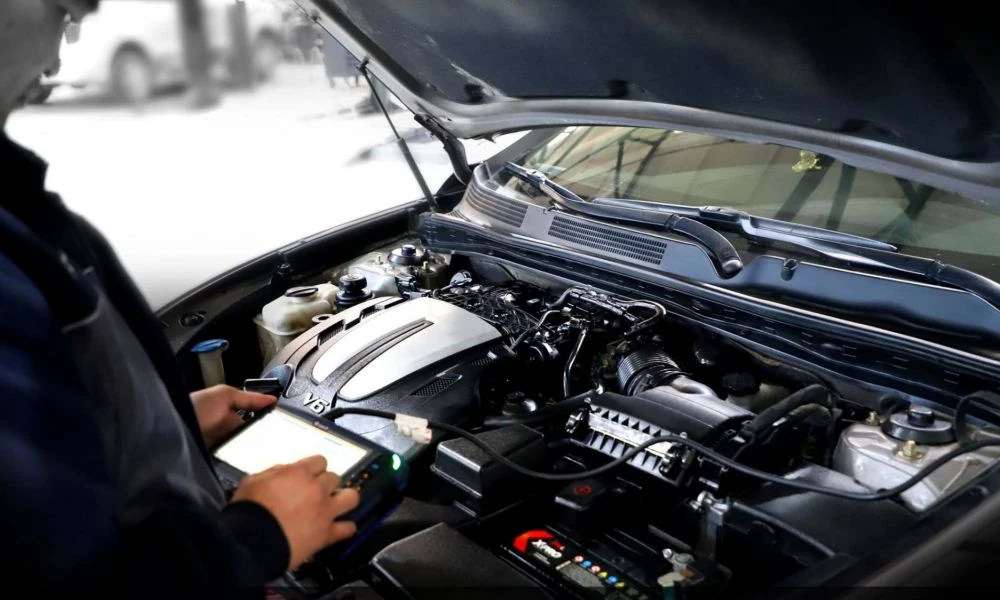
Engine stalling does not automatically mean the torque converter has failed. Several engine and transmission problems can create similar symptoms. Faulty sensors can interfere with engine speed and transmission control systems. Fuel delivery problems can also cause stalling during different driving conditions.
Auto Repair in Holland, MI service can provide suitable professional inspection when transmission concerns develop. Early diagnosis may prevent minor problems from becoming expensive mechanical failures. KarFix can assess related transmission symptoms and identify appropriate repair requirements. A careful evaluation helps ensure that unnecessary components are not replaced.
Conclusion
A bad torque converter can contribute to engine stalling under certain operating conditions. Lockup clutch problems can prevent the engine from operating freely during stops. Fluid problems can also interfere with proper torque converter performance. Internal wear may create additional symptoms including vibration and rough engagement. However, stalling can have several different causes beyond the torque converter. Proper diagnosis remains important before any major transmission repair begins. Early attention can help protect the transmission from further mechanical damage.