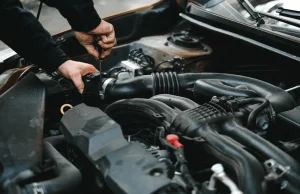

Car hoses perform essential jobs throughout the vehicle while supporting several important systems. They carry coolant and fluids through demanding areas under the hood. Now these hoses face heat and pressure during almost every journey. Over time the material can weaken and develop visible or hidden damage. Professional technicians at 515 Auto Repair can inspect hoses during routine vehicle maintenance.
Excessive Heat and Engine Temperature
Engine heat remains one of the biggest causes of hose deterioration. Rubber materials become weaker when exposed to extreme temperatures repeatedly. The constant heating and cooling cycle slowly change hose flexibility. Eventually the surface can become hard brittle or visibly cracked. 515 Auto Repair can identify heat related deterioration before serious hose failure develops.
Age and Natural Material Deterioration
Hoses do not remain flexible forever because their materials naturally deteriorate with age. Rubber gradually loses elasticity after years of repeated environmental exposure. The surface may develop small cracks that slowly become deeper. Some hoses also become swollen or unusually soft during deterioration. These changes indicate that internal material strength may already be declining.
Pressure Changes and Fluid System Problems
Vehicle hoses must withstand pressure generated by different mechanical systems. Excessive pressure can place additional stress across weakened hose walls. A malfunctioning component may also create abnormal pressure inside connected hoses. Repeated pressure changes can eventually cause swelling or splitting. For Auto Repair in Liberty, MO, professional inspection can help identify loose connections and damaged hoses before they lead to fluid movement around vulnerable hose ends.
Abrasion and Contact with Nearby Components
Physical contact creates another common source of hose damage inside engine compartments. Hoses can rub against brackets belts wiring or other nearby components. Continuous vibration increases this friction while the vehicle remains in motion. The outer surface gradually becomes thinner at repeated contact points. 515 Auto Repair can examine surrounding components while inspecting damaged automotive hoses.
FAQ
Can A Hose Look Healthy While Failing Internally?
Yes. Internal weakening may develop before obvious cracks or swelling appear externally. Professional pressure testing can reveal weaknesses that visual inspection cannot reliably detect.
Why Does Hose Damage Often Appear Near Connections?
Connection areas experience pressure movement and repeated thermal expansion during normal vehicle operation. Clamps can also create concentrated stress when incorrectly positioned or tightened.
Can Engine Vibrations Damage Automotive Hoses?
Yes. Persistent vibration can make hoses rub against nearby components during driving. Continued friction may gradually remove protective outer material and expose weaker layers.
Does Replacing Coolant Prevent Hose Damage?
Fresh coolant supports proper system operation and reduces contamination related deterioration.
When Should Unusual Hose Softness Receive Professional Attention?
Unusual softness may indicate chemical deterioration or internal structural weakening. Prompt inspection helps determine whether replacement is necessary before leakage creates further mechanical problems.