
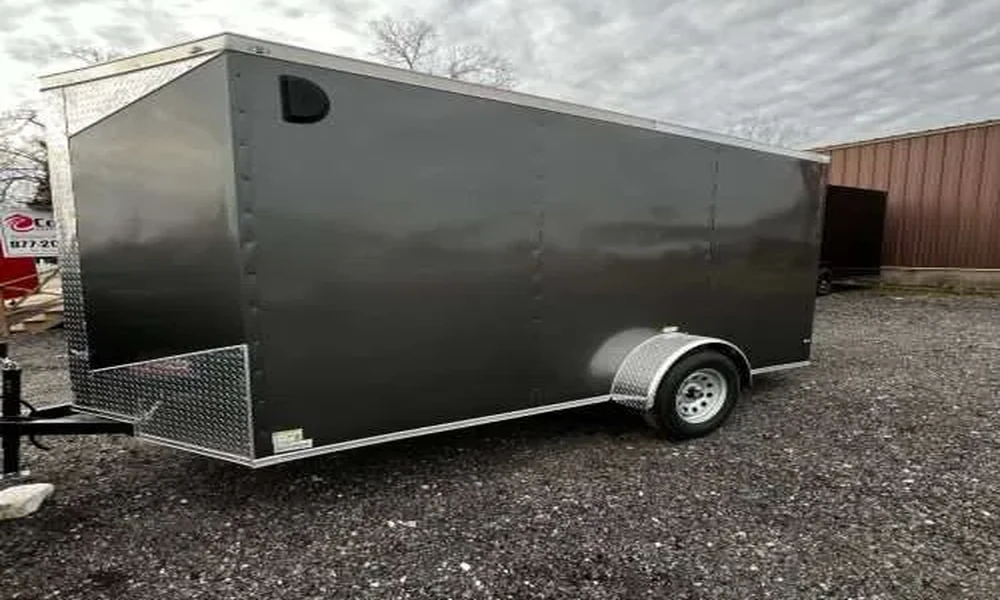
| An enclosed cargo trailer can transport tools, equipment, motorcycles, merchandise, household belongings and recreational gear. Although many trailers appear similar from the outside, their construction, capacity and interior features can vary considerably. Buyers comparing Enclosed Trailers for Sale should look beyond exterior color and overall size. The right trailer should match the cargo, tow vehicle, travel frequency and working conditions. Reviewing the following features can help buyers make a practical and informed decision. Check the Interior Dimensions Trailer size is usually described by width and length, but exterior measurements may not show the exact usable space. Wall thickness, wheel wells and structural framing can reduce the interior area. Measure the longest, widest and tallest items that will be transported. These measurements should be compared with both the interior dimensions and the actual door openings. Equipment may fit inside the trailer but still be too large to pass through the rear or side entrance. Buyers should also allow space for straps, shelves and safe movement. A trailer that is filled too tightly can be difficult to organize and may encourage poor weight distribution. Understand Payload Capacity Payload capacity is the amount of cargo a trailer can safely carry. It is calculated by subtracting the empty trailer weight from the Gross Vehicle Weight Rating, commonly called GVWR. For example, a trailer with a 7,000-pound GVWR and an empty weight of 2,200 pounds has an approximate payload capacity of 4,800 pounds. Additional features such as cabinets, generators, air-conditioning units and reinforced flooring increase the empty weight and reduce the available payload. Buyers should estimate the combined weight of tools, machinery and supplies before selecting a trailer. Overloading can place excessive pressure on the frame, axles, tires, suspension and braking system. Compare Axle Options Single-axle trailers are generally lighter, easier to maneuver and suitable for modest loads. They may work well for light tools, household items, small lawn equipment and occasional trips. Tandem-axle trailers usually offer greater payload capacity and improved weight distribution. They are often selected for heavier equipment, frequent highway use and larger cargo. The tow vehicle must be capable of pulling the trailer when fully loaded. Buyers should check towing capacity, hitch rating, tongue-weight limits and Gross Combined Weight Rating before making a final decision. Review Rear Door Choices The rear-door configuration affects how easily cargo can be loaded and unloaded. Ramp doors are useful for motorcycles, lawn mowers, tool carts and other wheeled equipment. Buyers should confirm that the ramp is rated for the weight of the equipment. Barn-style doors open outward and may be suitable for furniture, boxed goods and loading-dock use. They can also be practical when a loading ramp is unnecessary. Available space should influence the choice. A ramp requires room behind the trailer, while barn doors need enough clearance on both sides to open fully. Consider Side Access A side door allows users to reach tools or supplies without opening the rear of the trailer. This can be especially helpful for contractors, mobile technicians and vendors who need frequent access throughout the day. Door placement should match the planned interior layout. Shelves and cabinets should not block the entrance, and commonly used items should remain easy to reach. Hinges, locks, weather seals and door-frame construction should also be inspected. Strong hardware can improve security and help prevent water from entering the trailer. Evaluate Flooring and Walls Flooring should be suitable for the expected cargo. Standard plywood may be appropriate for general hauling, while heavy machinery may require thicker or reinforced flooring. Plywood walls make it easier to install hooks, racks and shelves. Finished wall panels may provide a cleaner appearance for mobile businesses, event trailers or show equipment. People comparing Enclosed Cargo Trailers for Sale should review floor thickness, wall materials and framing spacing. These features influence durability, storage options and the trailer’s ability to handle repeated use. Inspect Tie-Down Systems Cargo must be secured before every journey. D-rings, recessed floor anchors and E-track systems provide attachment points for straps and chains. The number and placement of tie-down points should match the intended cargo. Motorcycles may need wheel chocks and floor anchors, while machinery may require several heavy-duty attachment points. Tie-down hardware and straps should be rated for the weight being secured. Lightweight hooks are not suitable for heavy equipment. Review Lighting and Ventilation Interior lighting improves visibility when loading early in the morning or after dark. Exterior work lights can also be useful at job sites or events. Ventilation may be important when carrying equipment that produces heat, fumes or moisture. Roof vents and side vents can improve airflow and help reduce condensation. Electrical outlets, batteries or shore-power connections may be useful for mobile workshops. These systems should be installed correctly and matched to the equipment’s power requirements. Conclusion The best enclosed cargo trailer is not necessarily the largest or most expensive model. It is the one that offers suitable capacity, practical access and features that match the intended use. By comparing dimensions, payload ratings, axles, doors, flooring, tie-down systems and ventilation, buyers can choose a trailer that supports safer towing, easier loading and dependable long-term use. |
|---|